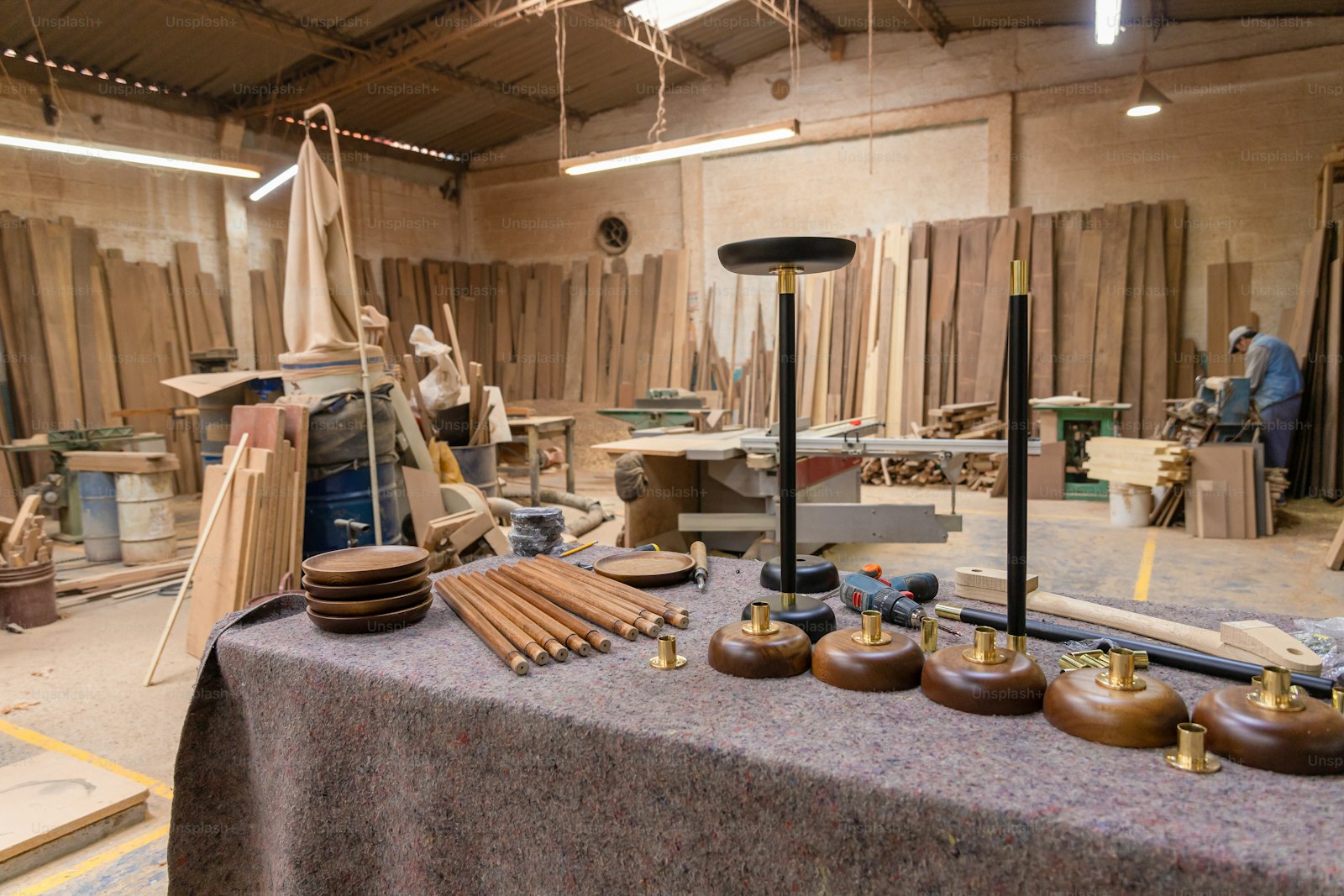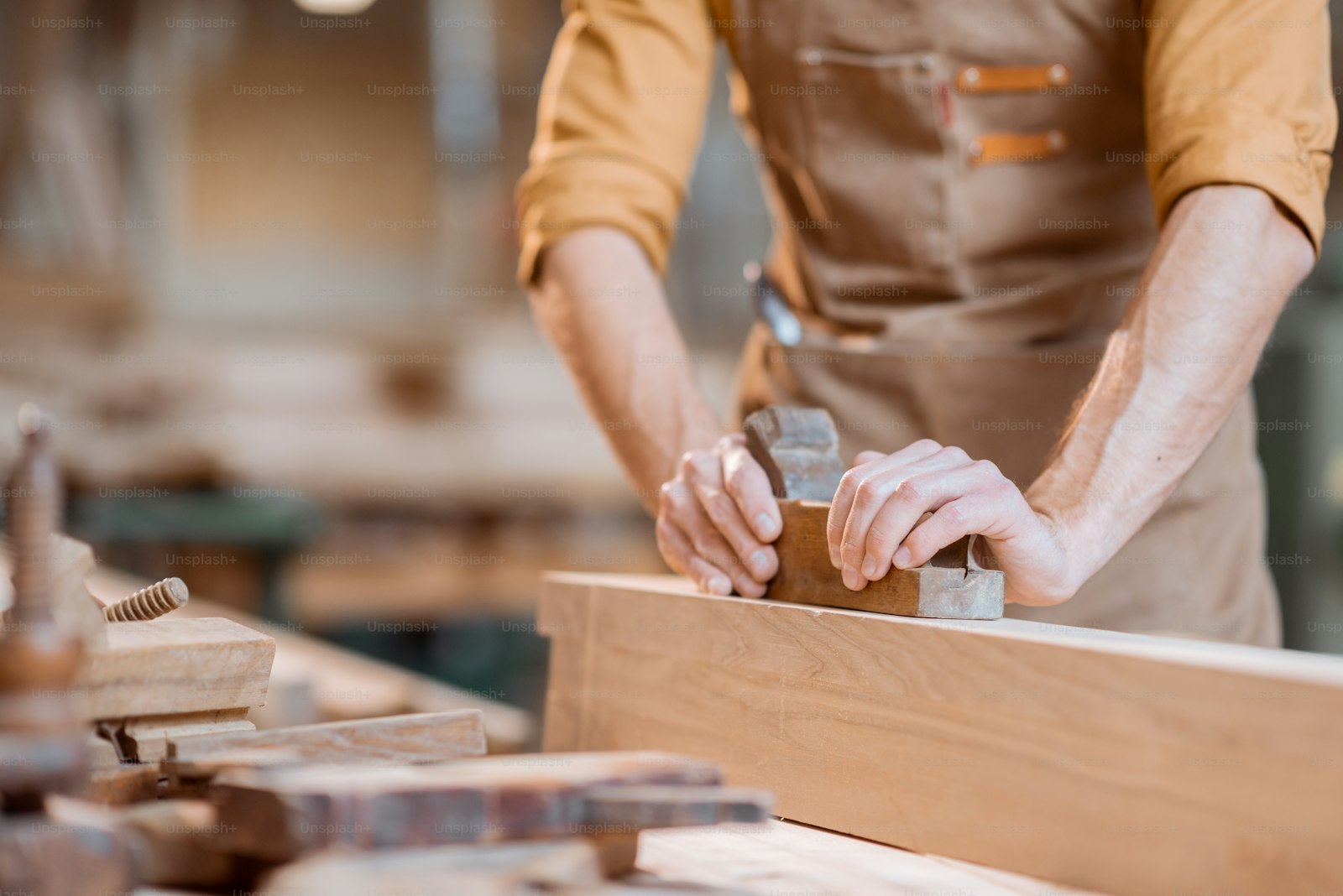
We own a CNC. We love our CNC. And nothing it produces ever feels finished until someone has taken a hand plane to it. That sentence isn't nostalgia — it's observable under a client's fingertip.
What the machine can't do
A CNC gives you dimensional truth. It does not give you tactile truth. There's a quality to a surface finished with a sharp plane iron that a sander simply cannot replicate — the grain sits up a hair, the light catches in the tool marks, the wood feels alive under the hand. Clients don't have vocabulary for it. They just touch the tabletop longer than they should.
Where we reach for it
- Final dressing of show surfaces. Tops, seat pans, anywhere a hand will rest.
- Breaking edges. A plane-chamfered edge reads warm; a routed one reads production.
- Fitting joinery. The last thousandth of a tenon almost never comes off a machine well.
- When the wood surprises you. A figure that tears on the jointer sings under a sharp smoother.
Which planes actually earn their keep
We've owned a lot. We keep three:
- A low-angle jack (Veritas or Lee Valley equivalent). Our workhorse. Tracks straight, handles figured stock with a toothed blade.
- A No. 4 smoother (Stanley Sweetheart, or a Lie-Nielsen if you love yourself). Final surface work. Glass-like.
- A block plane. End-grain chamfers, quick edge-breaks, pencil-mark removal on fresh glue-ups.
Three planes can take you a decade. Forty planes can take you down a YouTube hole.
What the client perceives (without knowing they do)
A smooth-planed surface reflects light differently under gallery bulbs than a sanded one. The tiny scallops — nearly imperceptible — scatter highlights. Sanded surfaces reflect uniformly; they read as "machined." Planed surfaces read as "handmade." Your client may not know to call it that. Their Instagram followers will feel it.
The marketing argument, reluctantly
We resist talking about craft as marketing, but the reality is: pieces finished by hand photograph better, feel better, and generate more referrals. If the hand plane is the difference between a good commission and a talked-about commission, it's the best tool in the shop.
One heretical note
None of this is an argument against the CNC, the jointer, or the thickness planer. Those give us back hours and dimensional consistency we'd be fools to refuse. The hand plane isn't in competition with them — it's at the end of the line, translating dimensional truth into surface beauty.